
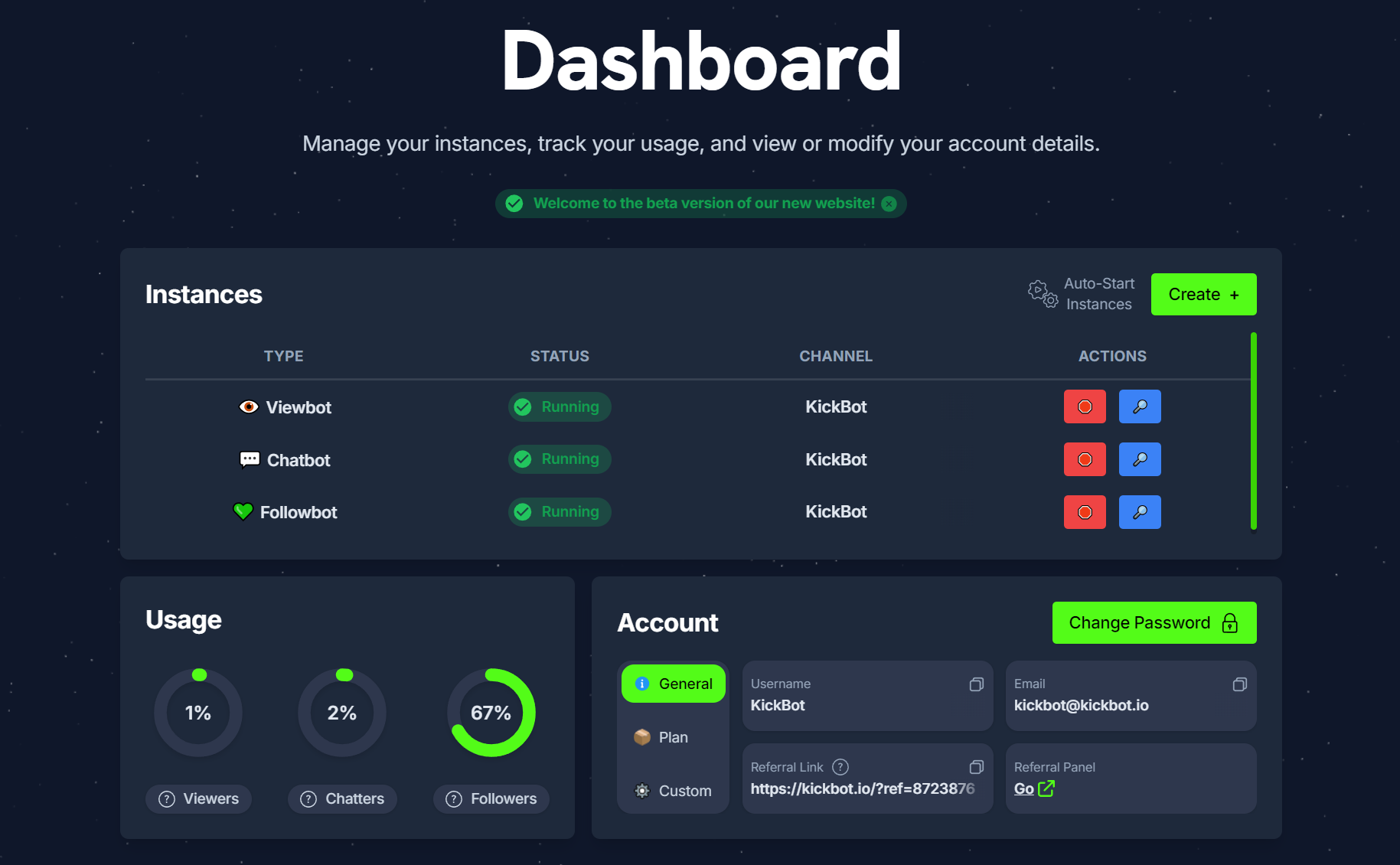
You’re about to embark on a journey to create a customized Kick Bot viewer using scripts and tools. To get started, you’ll need to pick a scripting language that suits your style, whether it’s Python, JavaScript, or something else. With your language of choice in hand, you’ll set up your development environment, install the necessary dependencies, and configure your viewer script. But that’s just the beginning – you’ll still need to integrate with the Kick Bot API, authenticate your requests, and customize your viewer’s appearance. What features will you prioritize, and how will you bring your vision to life?
Choosing the Right Scripting Language
When building a Kick Bot viewer, selecting the right scripting language is crucial. You’ll want to choose a language that’s easy to learn, has good documentation, and is well-suited for the task buy kick views.
If you’re new to scripting, Python might be a good choice. It’s a popular language with a large community, and there are many resources available to help you get started. Plus, it’s easy to read and write, making it perfect for beginners.
If you’re already familiar with JavaScript, you might want to stick with that. JavaScript is widely used and has many libraries and frameworks that can help you build your Kick Bot viewer quickly.
Additionally, many web developers already know JavaScript, so you mightn’t need to learn a new language.
Ultimately, the scripting language you choose will depend on your personal preferences and goals. Just make sure you choose a language that you’re comfortable with and that can handle the tasks you need it to.
With the right scripting language, you’ll be able to build a Kick Bot viewer that meets your needs and is easy to maintain.
Setting Up Your Bot Environment
Now that you’ve chosen a scripting language, you’re ready to set up your bot environment.
This involves installing the necessary tools and software to create and run your Kick Bot Viewer script.
First, you’ll need to install a code editor or IDE (Integrated Development Environment) that supports your chosen scripting language.
Some popular options include Visual Studio Code, IntelliJ IDEA, and Sublime Text.
Next, you’ll need to install the Kick Bot Viewer software and any required dependencies.
This may involve downloading and running an installer or using a package manager like npm or pip.
Make sure to follow the installation instructions carefully to avoid any issues.
Once you’ve installed the necessary tools and software, create a new project folder for your bot.
This will help keep your files organized and make it easier to manage your project.
Inside your project folder, create a new file for your script and start with a basic template or boilerplate code to get started.
With your bot environment set up, you’re now ready to start configuring your viewer script.
Configuring the Viewer Script
You’ve got a solid foundation with your bot environment set up, and it’s time to dive into the meat of your Kick Bot Viewer script.
Now, it’s essential to configure the script to suit your needs. Start by defining the essential variables, such as the channel ID, bot token, and the command prefix.
These variables will determine how your bot interacts with your channel and users.
Next, you’ll need to set up the script’s event listeners.
These listeners will capture events like user joins, message deletions, and more. You can customize these listeners to trigger specific actions or responses from your bot.
For instance, you might want your bot to greet new users or respond to specific keywords.
Integrating With Kick Bot API
With your event listeners in place, it’s time to connect your Kick Bot Viewer script to the Kick Bot API.
This integration allows your script to receive data from the Kick Bot platform, enabling you to display real-time information in your viewer. To get started, you’ll need to obtain an API key from the Kick Bot developer portal.
Once you have the key, you can use it to authenticate your API requests.
Next, you’ll need to set up API endpoints in your script. These endpoints will define how your script interacts with the Kick Bot API, such as retrieving channel information or fetching user data.
You can use the Kick Bot API documentation to find the available endpoints and their corresponding parameters.
When setting up your API endpoints, make sure to handle errors and exceptions properly.
This will ensure that your script can recover from any issues that may arise during API calls.
Launching and Customizing Your Viewer
Get ready to bring your Kick Bot Viewer to life! You’ve integrated with the Kick Bot API, and now it’s time to launch and customize your viewer.
Open your viewer script and execute it. You should see your viewer window pop up, displaying a live feed of your Kick channel. If you don’t see anything, double-check your API credentials and script configuration.
Customizing your viewer is where the magic happens.
You can personalize the layout, add custom overlays, and even integrate with other tools and services. Start by exploring the viewer’s settings panel, where you can adjust the appearance, behavior, and performance of your viewer.
You can also add custom CSS styles to give your viewer a unique look and feel.
Next, you can experiment with different layouts and overlays using the viewer’s built-in tools and plugins.
Want to display your channel’s subscriber count or donation alerts? There’s a plugin for that!
With a little creativity and experimentation, you can create a truly unique and engaging viewer experience that sets your channel apart from the rest.
Conclusion
You’ve successfully set up your Kick Bot viewer using scripts and tools. Now, you’re ready to dive into the world of interactive live streaming. With your customized viewer, you can engage with your audience, display important information, and create a unique experience. Experiment with different layouts, overlays, and features to make your stream stand out. As you continue to refine your viewer, remember to stay up-to-date with the latest Kick Bot API updates and best practices.