
As you embark on your renovation journey, you’re probably wondering how to make it more environmentally friendly. You’re not alone – the construction industry is a significant contributor to waste and pollution. But the good news is that with a little planning and creativity, you can significantly reduce your renovation’s ecological footprint. By adopting sustainable strategies and materials, you can create a healthier, more energy-efficient space that not only benefits the planet but also enhances your quality of life. So, where do you start?
Assess Your Current Space
As you embark on your renovation journey, take a step back to assess your current space, and you’ll likely uncover opportunities to reduce waste and optimize your design.
Take stock of what you already have, including fixtures, appliances, and materials. Identify what can be repurposed, reused, or recycled, reducing the need for new, resource-intensive items.
You’ll also want to examine your space’s energy efficiency. Check for air leaks, inspect insulation, and assess the condition of windows and doors.
Consider upgrading to energy-efficient options or adding weatherstripping to reduce heat loss. Additionally, think about your water usage and explore low-flow alternatives for fixtures and appliances.
Choose Eco-Friendly Materials
Sustainability starts with the materials you choose. When selecting materials for your renovation, consider the environmental impact of each option.
Opt for materials that are sustainable, recycled, or reclaimed. For example, choose bamboo or reclaimed wood for flooring instead of virgin hardwood. Bamboo is a fast-growing, highly renewable resource, while reclaimed wood reduces waste and preserves the character of the original material.
Look for materials with low VOCs (volatile organic compounds) to improve indoor air quality. Low-VOC paints, adhesives, and flooring options are widely available.
You can also consider materials with high recycled content, such as recycled glass countertops or recycled metal roofing.
Don’t forget to think about the materials’ end-of-life cycle. Choose materials that can be easily recycled, reused, or repurposed at the end of their life.
This will reduce waste and minimize the environmental impact of your renovation. By making informed material choices, you’ll be well on your way to creating a more sustainable and eco-friendly space.
Optimize Energy Efficiency
While renovating, you’re not just updating your space, you’re also creating an opportunity to reduce your carbon footprint.
One of the most effective ways to do this is by optimizing energy efficiency. Start by conducting an energy audit to identify areas where energy is being wasted.
This will help you pinpoint which upgrades will have the greatest impact.
Next, consider upgrading to energy-efficient appliances and lighting. Look for products with the ENERGY STAR label, which indicates they meet energy efficiency standards set by the U.S. Environmental Protection Agency.
You can also install smart home devices that help you monitor and control energy usage.
Another key area to focus on is insulation and windows. Proper insulation can help reduce heat loss in the winter and heat gain in the summer, while energy-efficient windows can minimize heat transfer.
Reduce Waste and Debris
By implementing a waste reduction plan, you can divert a significant amount of debris from landfills and minimize your renovation’s environmental impact.
Start by conducting a waste audit to identify areas where you can reduce waste generation. Identify reusable materials like lumber, windows, and doors, and set them aside for reuse or donation.
Consider deconstructing instead of demolishing to salvage more materials.
Designate a recycling area on-site to collect recyclable materials like cardboard, metal, and drywall.
You can also partner with local recycling facilities to process materials that can’t be reused. Ensure that your waste reduction plan is communicated to all stakeholders, including contractors and subcontractors, to ensure everyone is on the same page.
Additionally, consider implementing a “reduce, reuse, recycle” policy on-site to encourage responsible waste management practices.
Incorporate Sustainable Systems
Take a holistic approach to your renovation by incorporating sustainable systems that minimize environmental harm and maximize energy efficiency.
This includes installing systems that reduce your reliance on non-renewable energy sources, conserve water, and promote indoor air quality. For instance, consider installing solar panels or a tankless water heater to reduce your energy consumption.
You can also incorporate a rainwater harvesting system to collect and reuse rainwater for irrigation and other non-potable purposes.
Additionally, look for opportunities to incorporate natural ventilation and lighting into your design.
This can be achieved through strategically placed windows, skylights, and clerestory windows. By maximizing natural light, you can reduce the need for artificial lighting, which can account for a significant portion of your energy consumption.
Conclusion
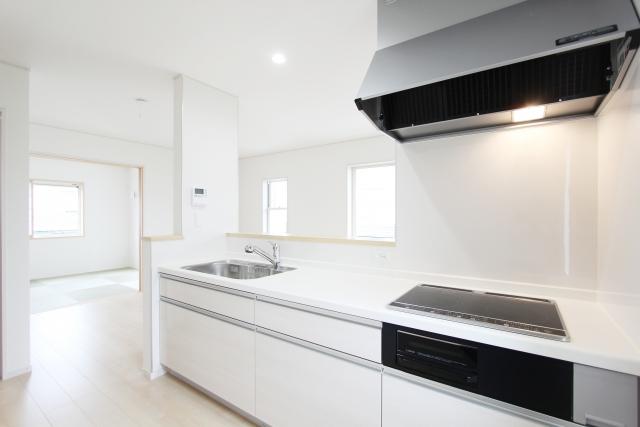
You’ve made it! By following these eco-friendly renovation tips, you’ll not only create a beautiful new 水回り リフォーム but also reduce your environmental footprint. Remember, every small change adds up to make a big difference. Now, go ahead and enjoy your newly renovated, sustainable home – and the peace of mind that comes with knowing you’ve done your part for the planet.