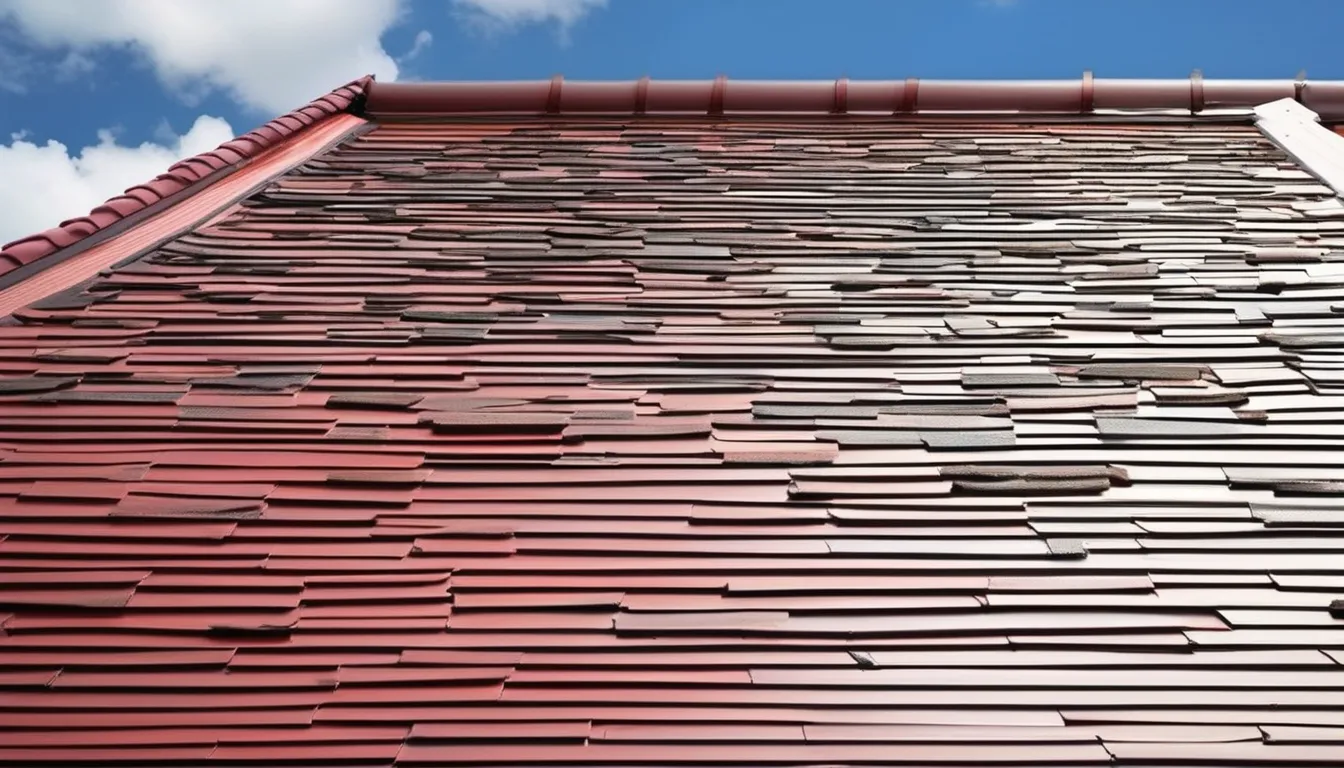

You’re probably wondering if your home insurance policy covers water damage restoration services. The good news is that standard policies typically do cover sudden and accidental water damage, including repairs, replacement of damaged items, and temporary accommodation costs. However, it’s essential to review your policy carefully, as exclusions and limitations may apply. For instance, gradual damage caused by wear and tear might not be covered. So, what exactly does your policy entail, and how can you ensure you’re protected in case of water damage?
What’s Typically Covered by Home Insurance
When disaster strikes, uncertainty can be overwhelming, especially when it comes to navigating the complex world of home insurance.
You’re left wondering what’s covered and what’s not. Fortunately, most standard home insurance policies provide coverage for sudden and accidental water damage.
This typically includes damage caused by burst pipes, appliance failures, and roof leaks. You’re usually covered for the cost of repairs, replacement of damaged items, and temporary accommodation if you can’t live in your home.
However, it’s essential to review your policy to understand what’s specifically covered. Some policies may have exclusions or limitations for certain types of water damage, such as flooding or gradual wear and tear.
You might need to purchase additional coverage for these scenarios. Additionally, your policy may have a deductible, which you’ll need to pay out of pocket before your insurance kicks in.
Understanding your coverage can help you prepare for the unexpected and ensure you’re protected in the event of water damage.
Water Damage Restoration Services Defined
One crucial aspect of dealing with water damage is understanding the role of water damage restoration services.
You’ll want to know what these services entail and how they can help you recover from a water damage event. Water damage restoration services involve a series of processes designed to restore your property to its pre-damage state.
This includes assessing the damage, extracting water, drying and dehumidifying the area, cleaning and disinfecting, and finally, restoring your property to its original condition.
These services often involve specialized equipment and techniques to remove water and moisture, prevent further damage, and eliminate the risk of mold growth.
Restoration professionals will work closely with you to identify the source of the damage, contain the affected area, and develop a customized plan to restore your property.
Policy Exclusions and Limitations
Your water damage restoration plan is only as good as your insurance policy allows. You may have a comprehensive plan in place, but if your policy doesn’t cover certain types of water damage, you’ll be left footing the bill.
It’s essential to understand what’s excluded from your policy to avoid surprises down the line. Check your policy for specific exclusions, such as damage caused by flooding, sewage backups, or gradual wear and tear.
Some policies may also have limitations on the amount they’ll pay for certain types of repairs or replacements. For example, if your policy has a $5,000 limit for electrical repairs, you’ll need to cover any excess costs out of pocket.
Additionally, be aware of any policy riders or endorsements that may affect your coverage. These can either add or remove coverage for specific items, such as sump pumps or septic systems.
Filing a Claim for Water Damage
Most water damage water damage restoration san tan valley require you to file a claim with your insurance company before they can begin work.
This process typically starts with a phone call to your insurance provider, where you’ll need to provide detailed information about the water damage, including the cause, extent, and timeline of the incident.
Be prepared to answer questions about your policy and the damaged areas of your home.
You’ll likely be asked to provide documentation, such as photos, videos, and repair estimates, to support your claim.
Make sure to keep detailed records of all communication with your insurance company, including dates, times, and the names of representatives you speak with.
Your insurance company will then assign an adjuster to assess the damage and determine the extent of coverage under your policy.
Remember to carefully review your policy to understand what’s covered and what’s excluded.
If you’re unsure about any part of the process, don’t hesitate to ask questions or seek guidance from a professional.
Mitigating Water Damage Costs
Firstly, act quickly to contain the damage.
The longer you wait, the more extensive the damage will be, leading to higher costs. Turn off the main water supply, unplug appliances, and remove excess water to prevent further damage.
Secondly, document everything.
Take photos and videos of the damage, keep receipts for any expenses incurred, and make a list of damaged items. This will help you when filing a claim with your insurance company.
Thirdly, consider hiring a professional restoration company.
While it may seem counterintuitive to spend more money, these professionals can help you avoid costly mistakes and ensure that the restoration work is done efficiently and effectively. By taking these steps, you can reduce the financial burden of water damage and get back to normal as quickly as possible.
Conclusion
You’ve got a better understanding of what’s covered under your home insurance policy when it comes to water damage restoration services. Remember to review your policy carefully to know what’s included and what’s not. Don’t wait until disaster strikes – take steps to mitigate water damage costs now. By being proactive, you’ll be better prepared to handle unexpected water damage and get your home back to normal quickly.