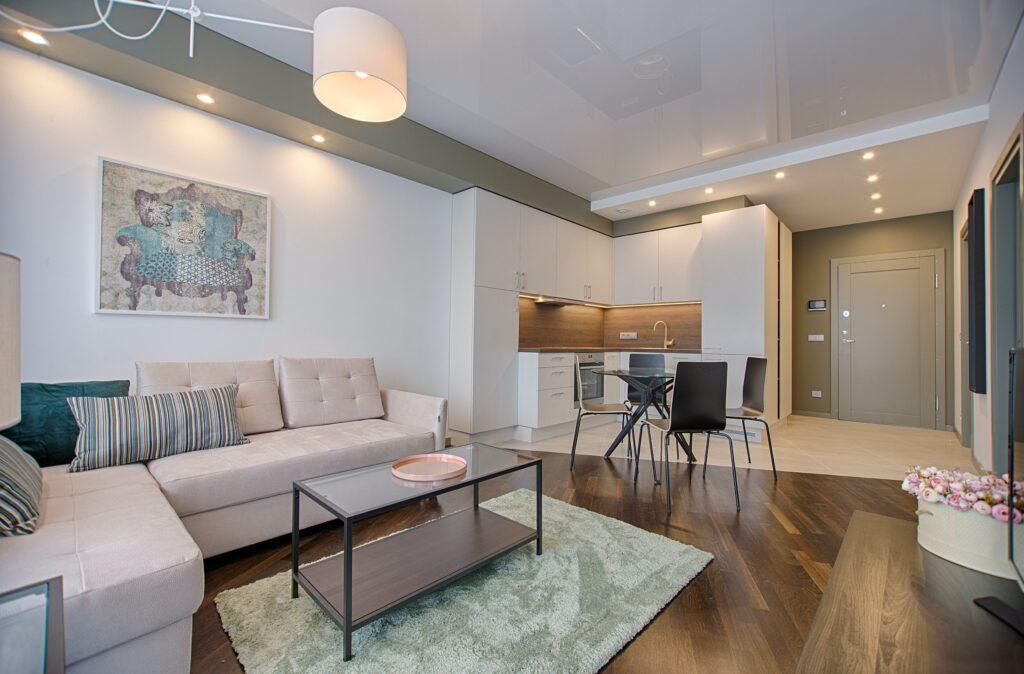
The role of flooring in home design has shifted dramatically over the past decade. Modern area rugs have emerged as essential tools for defining zones, adding texture, and introducing personality into rooms that might otherwise feel flat or impersonal. Unlike their traditional counterparts, these rugs prioritize clean lines, abstract patterns, and neutral palettes that complement minimalist and mid-century aesthetics. From a designer’s perspective, the modern area rug is not merely a floor covering but a deliberate architectural element that anchors furniture groupings and influences the entire visual flow of a space.
The Shift from Ornate to Minimalist Design Language
Traditional rugs often feature intricate medallions, dense floral motifs, and rich bordercolors that demand attention. Modern area rugs, by contrast, embrace restraint. They typically employ geometric patterns, organic blobs, or subtle tonal variations that create visual interest without overwhelming a room. This shift reflects broader changes in interior design philosophy, where open floor plans and multifunctional spaces require flexible decor that can adapt to changing layouts. Designers now select rugs that provide a foundation rather than a focal point, allowing other elements—such as statement furniture or artwork—to shine.
Material Innovations Driving Modern Rug Popularity
One of the most significant developments in the modern rug industry is the use of performance fibers and sustainable materials. Polypropylene, for instance, offers stain resistance and affordability, making it ideal for high-traffic areas and homes with children or pets. Wool remains a premium choice for its natural durability and softness, while recycled polyester and organic cotton appeal to eco-conscious consumers. These material advancements have expanded the possibilities for texture and pattern, enabling manufacturers to produce rugs that are both beautiful and practical. A wool-blend rug with a low pile can withstand daily wear while maintaining its shape and color for years.
How to Choose a Modern Area Rug for Your Space
Selecting the right rug involves more than matching colors to your sofa. You must consider the room’s dimensions, the amount of natural light, and the intended function of the space. In a living room, for example, the rug should be large enough to accommodate the front legs of all major furniture pieces, creating a unified seating area. In a bedroom, a rug placed partially under the bed extends beyond the sides and foot to provide a soft landing when you step out of bed. A common mistake is choosing a rug that is too small, which can make the room feel disjointed and cramped.
Balancing Pattern and Neutrals
Modern rugs often rely on low-contrast patterns or monochromatic designs that blend seamlessly with surrounding decor. A gray rug with subtle white geometric lines can add depth to a room without competing with bold accent pillows or wall art. For those who prefer a bolder statement, abstract designs in muted earth tones—such as terracotta, sage, or clay—offer a contemporary twist without veering into traditional territory. The key is to let the rug complement the existing color scheme while introducing a layer of visual complexity.
The Practical Benefits of Modern Area Rugs
Beyond aesthetics, modern area rugs provide functional advantages that enhance daily living. They absorb sound, reducing echo in rooms with hard floors, and add insulation underfoot, which is especially valuable in colder climates. Rugs also protect flooring from scratches and wear, extending the life of hardwood, tile, or laminate. Many homeowners find that readers appreciate that modern area rugs offer a cost-effective way to update a room’s look without undertaking a full renovation. A simple switch from a faded or outdated rug can transform the entire atmosphere of a living room or dining area.
Maintenance Tips for Long-Lasting Appeal
To keep a modern rug looking its best, regular vacuuming is essential—at least once a week for low-traffic areas and more frequently in busy zones. Rotating the rug every six months ensures even wear, particularly in spots exposed to direct sunlight. For spills, immediate blotting with a clean cloth prevents stains from setting, and professional cleaning every one to two years helps maintain fiber integrity. Many modern rugs are designed with easy-care features, such as stain-resistant coatings or machine-washable constructions, making them suitable for households with active lifestyles.
Integrating Modern Rugs with Other Decor Elements
A well-chosen modern rug acts as a bridge between different design elements in a room. It can tie together a mix of vintage and contemporary furniture, soften the starkness of concrete floors, or add warmth to a monochromatic scheme. Layering a smaller rug over a larger one is another technique gaining popularity, allowing you to introduce contrasting textures or patterns without committing to a single dominant piece. For example, a flatweave jute rug can serve as a neutral base, topped with a smaller wool rug featuring a geometric pattern to define a seating area.
The Role of Color in Modern Rug Design
While neutral tones dominate the modern rug market, there is growing interest in saturated hues that inject energy into a space. Deep blues, emerald greens, and mustard yellows appear in contemporary collections, often in abstract or gradient patterns that feel fresh rather than nostalgic. These colors work well in rooms that lack natural light or in spaces where you want to create a focal point. A vibrant rug can also serve as a conversation starter, inviting guests to examine the design details up close.
Why Modern Area Rugs Are a Smart Investment
Considering their durability, versatility, and aesthetic impact, modern area rugs represent a wise investment for any homeowner. They can be moved from room to room as your decor evolves, adapting to new furniture arrangements or color schemes. High-quality rugs retain their value and can last decades with proper care, making them more economical than cheaper alternatives that need frequent replacement. From a resale perspective, a well-maintained modern rug can enhance a home’s appeal to potential buyers who appreciate thoughtful design choices.
The Future of Rug Design
As technology advances, we can expect even more innovation in rug manufacturing. Digital printing allows for precise, intricate patterns that were previously impossible to achieve with traditional weaving techniques. Smart rugs with integrated sensors or heating elements may eventually enter the market, blending functionality with comfort. However, the core appeal of modern area rugs will likely remain rooted in their ability to transform a space through texture, color, and form—elements that have defined interior design for centuries.
In conclusion, modern area rugs are far more than decorative accents. They are versatile, practical, and expressive components of contemporary home decor that offer both immediate visual rewards and long-term value. Whether you prefer a subtle neutral palette or a bold abstract statement, there is a modern rug that can elevate your living space and reflect your personal style.