Schiphol Taxi Services Your Stress Free Ride to the Heart of Amsterdam

Arriving in a new city, especially after a long flight, can be a mix of excitement and exhaustion. As you step out of Schiphol Airport, the vibrant energy of Amsterdam beckons—but first, you need to figure out how to get from the airport to your destination. While public transport is an option, there’s something undeniably comforting about a taxi ride. It’s straightforward, stress-free, and offers a level of convenience that other forms of transport just can’t match.

If you’re wondering whether a taxi from Schiphol is the right choice for you, here’s everything you need to know to make your decision a little easier and a lot more relaxed.

Why Schiphol Taxis Should Be Your Go-To

  1. Convenient and Effortless
    The beauty of Schiphol taxis lies in their sheer convenience. You’ve just landed after a long flight, and the last thing you want is to waste time trying to navigate complicated transport options. Luckily, Schiphol Airport is designed to make your arrival as easy as possible. Once you exit the terminal, you’ll find a clearly marked taxi naar Schiphol stand right outside, ready to whisk you off to your destination. Whether it’s 6 AM or 11 PM, taxis are always available. There’s no need to worry about missing the last train or trying to figure out complex bus routes—just hop into your taxi, and you’re good to go.

  2. Comfortable and Direct
    One of the biggest perks of taking a taxi from Schiphol is the comfort. After hours of traveling, the last thing you want is to cram into a crowded train or bus. With a taxi, you get a private, peaceful ride directly to your destination, whether it’s a hotel, an Airbnb, or a business meeting spot in the city center. It’s a door-to-door service, so there’s no dragging luggage through busy stations or waiting for connections.

Plus, Schiphol taxis are well-maintained and offer a relaxing ride, complete with air conditioning and comfortable seating. If you’ve got a lot of luggage, no problem—taxis provide plenty of space to ensure you’re not crammed in.

  1. Friendly, Professional Drivers
    Amsterdam’s taxi drivers are known for their friendliness and professionalism. They’re typically well-versed in the city’s layout and often speak English fluently, making it easy for you to communicate, even if you’re not familiar with Dutch. Many drivers enjoy chatting about local spots to visit, giving you insider tips on places to eat or attractions to check out while you’re in the city.

So, whether you need recommendations on where to get the best Dutch pancakes or advice on avoiding tourist traps, your driver might just become your first tour guide.

  1. No Need for Pre-booking
    While it’s nice to have the option to pre-book a taxi from Schiphol, it’s not necessary. Taxis are readily available at all hours of the day and night, and there’s usually a relatively short wait to get one. This is a great option if you’re not exactly sure when you’ll land, or if you just want to make a spontaneous decision after your flight. Of course, if you prefer to plan ahead, you can always reserve a taxi online in advance.

For those who are new to Amsterdam or visiting for the first time, the ability to book your taxi in advance gives you peace of mind. You won’t have to worry about finding a ride when you land—it’ll be there waiting for you, ready to take you straight to your destination.

What’s the Cost of a Schiphol Taxi?

When it comes to price, taking a taxi from Schiphol is generally more expensive than public transport, but it’s worth considering the value of convenience and comfort. The average fare to Amsterdam city center from Schiphol is between €40–€60, depending on your exact location and the time of day.

Keep in mind that traffic can affect your fare. If you’re traveling during rush hour, it may take a little longer to reach your destination, which could increase the cost. But, for the peace of mind, comfort, and door-to-door service you receive, many travelers find that the price is worth it—especially if you’re traveling with luggage, in a group, or on a tight schedule.

If you’re heading outside of Amsterdam, like to Haarlem, Rotterdam, or The Hague, expect to pay more. These longer distances typically cost more, but again, the ease and comfort of a direct taxi ride are worth considering.

What’s the Ride Like?

From the moment you get into your Schiphol taxi, it’s all about comfort. The drivers know the most efficient routes to your destination, and they often steer clear of heavy traffic areas. You can just sit back, relax, and enjoy the ride. It’s a great way to see the city from a different perspective, especially if it’s your first time in Amsterdam.

The journey typically lasts around 20 to 30 minutes, depending on traffic. But regardless of the time, you’ll be comfortable and well taken care of. It’s a great opportunity to unwind after a long flight, catch your breath, and mentally prepare for the adventures ahead.

Avoiding Taxi Scams at Schiphol

While Schiphol is a large and well-organized airport, there’s always a risk of encountering rogue taxi services. To make sure you’re getting a fair price, always use the official taxi rank, which is located right outside the terminal. The taxis here are licensed, and the drivers are reputable.

It’s important to be aware of unofficial taxi operators who might try to lure you with offers that seem too good to be true. These drivers can overcharge you or take longer routes to inflate the fare. If a driver doesn’t have a visible meter or seems reluctant to use one, consider asking for another taxi.

For extra peace of mind, ask the driver for an estimated fare before starting your journey. Legitimate taxis will give you an estimate, especially for longer trips.

Quick Tips for a Smooth Taxi Experience

  1. Have Your Destination Ready: Before hopping into the taxi, make sure you have your destination address written down or saved on your phone to avoid any confusion.

  2. Check the Taxi: Always ensure the taxi is licensed and from the official ranks at Schiphol. Licensed taxis have a prominent “Taxi Amsterdam” logo and are easy to spot.

  3. Confirm Payment Methods: Most Schiphol taxis accept both cash and card payments. However, it’s always a good idea to check with your driver beforehand.

  4. Tipping: Tipping is appreciated but not mandatory in the Netherlands. A tip of around 5–10% is standard for good service.

The Final Word: Start Your Amsterdam Adventure Right

Taking a taxi from Schiphol is the easiest, most convenient, and stress-free way to get to your destination. It’s simple, comfortable, and eliminates the need to navigate complicated transport systems. Whether you’re headed to the heart of Amsterdam or a quieter neighborhood, a Schiphol taxi offers the kind of smooth, direct service that will make your journey as pleasant as possible.

So next time you land at Schiphol, skip the confusion, avoid the crowds, and treat yourself to a comfortable taxi ride. It’s the perfect way to kick off your Amsterdam adventure—without the hassle.

Read More

Minimize Fleet Disruptions with Professional Transmission Leak Repair in Kodiak, AK

Running a successful fleet operation in Kodiak, AK, requires more than just reliable vehicles—it demands proactive maintenance and immediate response to mechanical issues. In an area known for its rugged terrain, remote locations, and harsh weather, even minor vehicle problems can escalate quickly. One of the most common yet overlooked issues is a transmission fluid leak. While it may seem small at first, this issue can lead to significant operational disruptions and costly downtime if not addressed promptly.

Professional fleet transmission leak repair Kodiak AK leak repair services in Kodiak are vital to ensuring your fleet stays on the road and productive. By relying on expert technicians with the right tools, experience, and understanding of Kodiak’s unique conditions, fleet managers can minimize disruptions, reduce repair costs, and keep their operations running smoothly.

Why Transmission Leaks Are a Serious Concern for Fleets

The transmission is one of the most critical—and expensive—systems in any vehicle. It is responsible for transferring power from the engine to the wheels and ensuring smooth gear changes. For fleet vehicles, which often operate under heavy loads or across long distances, the transmission works harder than in a typical passenger vehicle.

Transmission fluid is essential for lubricating internal parts, maintaining hydraulic pressure, and cooling the system. When a leak occurs, it compromises all of these functions. Low fluid levels lead to:

  • Overheating

  • Gear slipping or delayed shifting

  • Increased friction and component wear

  • Total transmission failure

These issues can quickly take a vehicle out of service, leading to delayed deliveries, customer dissatisfaction, and higher operational costs.

Common Causes of Transmission Leaks in Fleet Vehicles

Fleet vehicles in Kodiak face unique challenges that increase the risk of transmission leaks. Common causes include:

  1. Worn Seals and Gaskets: Rubber components degrade over time, especially in freezing temperatures and wet conditions.

  2. Road Damage: Driving on gravel, uneven roads, or debris-strewn work sites can puncture transmission pans or damage fluid lines.

  3. Corrosion: Salt from ocean air or winter road treatments can corrode metal parts, including transmission lines and pans.

  4. Improper Installation or Maintenance: Incorrect sealing of gaskets or over-tightened bolts can cause leaks post-maintenance.

  5. Old or Contaminated Fluid: Dirty or incorrect fluid can lead to internal pressure issues that force leaks through weak seals.

Early Warning Signs of a Transmission Leak

Early detection is key to minimizing disruptions. Fleet drivers and managers should be trained to spot the signs of a potential transmission leak:

  • Visible Fluid: Transmission fluid is typically red or brown and may appear under the vehicle after it’s been parked.

  • Burning Smell: Overheating fluid can emit a noticeable burnt odor.

  • Unusual Shifting Behavior: Hesitation, jerking, or slipping gears are red flags.

  • Check Engine or Transmission Warning Lights: Dashboard alerts should never be ignored.

  • Low Fluid Levels: A dipstick check showing unusually low levels could indicate a leak.

Catching these symptoms early can be the difference between a minor repair and a full transmission replacement.

The Importance of Professional Repair Services in Kodiak

Transmission repairs should always be handled by certified, experienced professionals—especially when it comes to fleet vehicles that are essential to your business operations. Here’s why working with Kodiak-based professionals is the smart choice:

1. Local Knowledge

Kodiak’s terrain and climate are unlike any other. Local technicians understand the demands placed on fleet vehicles and tailor their repair strategies accordingly. From weatherproofing seals to reinforcing transmission lines, they know what works best for Alaska’s environment.

2. Advanced Diagnostic Tools

Professional shops use cutting-edge diagnostic equipment to locate leaks quickly and precisely. This reduces downtime and avoids unnecessary part replacements.

3. Timely, Efficient Repairs

Time is money for fleet operators. Reliable repair centers in Kodiak prioritize fleet accounts and work efficiently to minimize vehicle downtime. They often offer flexible scheduling and quick turnaround times to keep your operations on track.

4. Preventive Maintenance Programs

Many Kodiak repair centers offer scheduled fleet maintenance services that include routine transmission inspections, fluid checks, and early leak detection—helping prevent issues before they become emergencies.

Long-Term Benefits for Fleet Managers

Investing in professional transmission leak repair isn’t just about fixing today’s problem—it’s about safeguarding your fleet for the future. Here’s how:

  • Reduced Vehicle Downtime: Fast repairs get your vehicles back on the road quickly.

  • Lower Repair Costs: Fixing leaks early prevents more expensive repairs or full transmission replacements.

  • Extended Vehicle Lifespan: Properly maintained transmissions last longer and perform better.

  • Improved Safety: Ensuring smooth gear changes and reliable power transfer enhances driver and vehicle safety.

  • Better Fuel Efficiency: A healthy transmission reduces strain on the engine, improving fuel economy.

What to Expect From a Transmission Leak Repair Appointment

When you take your fleet vehicle to a professional shop in Kodiak for leak repair, you can expect:

  1. Thorough Inspection: A full examination of the transmission system to locate the source of the leak.

  2. Fluid Analysis and Refill: Technicians will check fluid quality, replace it if contaminated, and refill to proper levels.

  3. Seal and Gasket Replacement: Any worn or damaged components will be replaced with high-quality parts.

  4. Road Testing: Post-repair testing ensures everything is functioning correctly.

  5. Documentation and Advice: You’ll receive a service report and expert recommendations for future maintenance.

Final Thoughts

In Kodiak, where the reliability of your fleet directly affects your profitability, transmission leak repairs should never be delayed or overlooked. By working with local experts who understand the demands of commercial vehicle operation in Alaska, you can minimize disruptions, protect your investments, and maintain customer satisfaction.

Take a proactive approach—schedule regular inspections, train your drivers to recognize warning signs, and partner with a trusted Kodiak repair shop that specializes in fleet

Read More

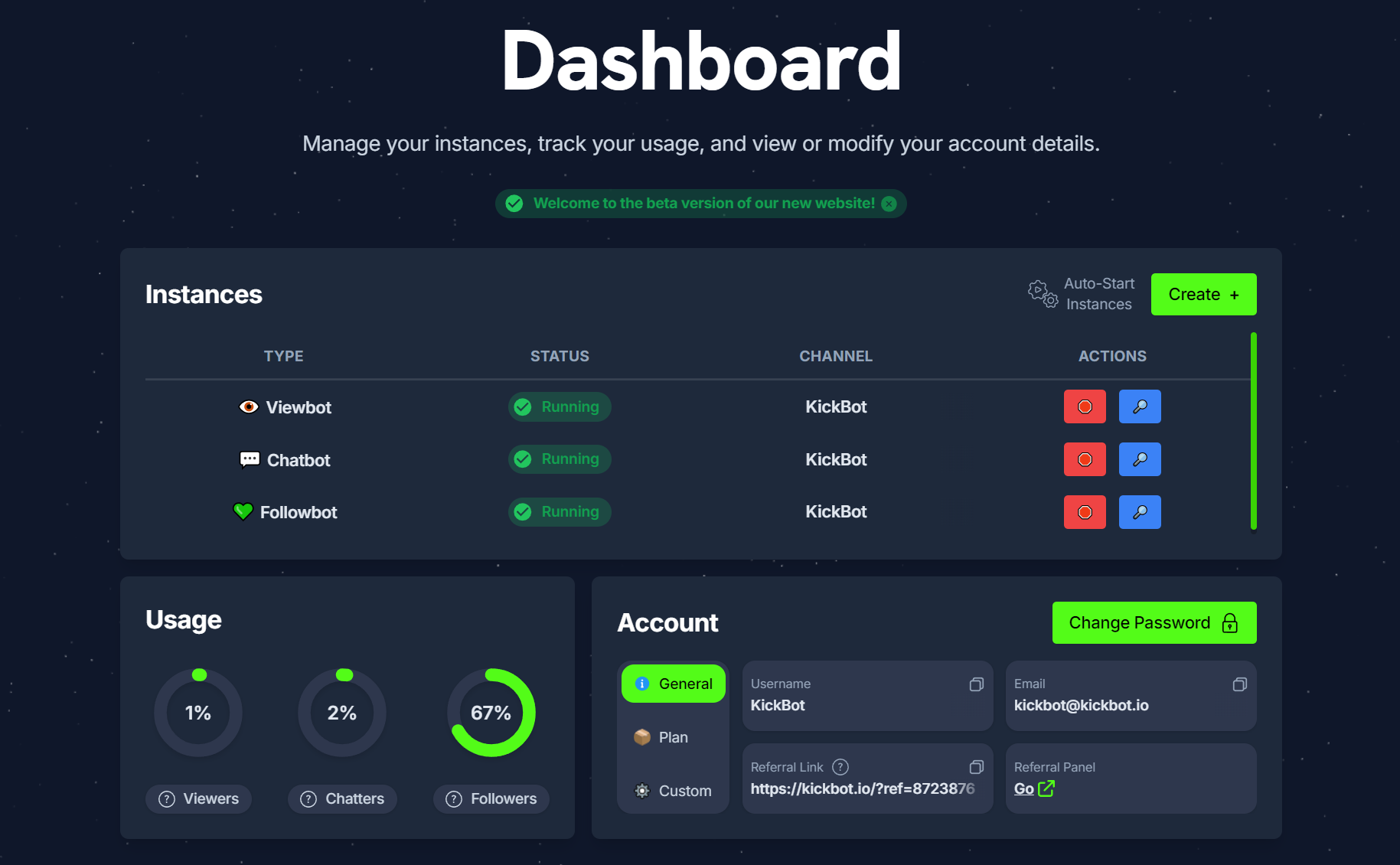
Kick Bot Viewer Setup Using Scripts and Tools

You’re about to embark on a journey to create a customized Kick Bot viewer using scripts and tools. To get started, you’ll need to pick a scripting language that suits your style, whether it’s Python, JavaScript, or something else. With your language of choice in hand, you’ll set up your development environment, install the necessary dependencies, and configure your viewer script. But that’s just the beginning – you’ll still need to integrate with the Kick Bot API, authenticate your requests, and customize your viewer’s appearance. What features will you prioritize, and how will you bring your vision to life?

Choosing the Right Scripting Language

When building a Kick Bot viewer, selecting the right scripting language is crucial. You’ll want to choose a language that’s easy to learn, has good documentation, and is well-suited for the task buy kick views.

If you’re new to scripting, Python might be a good choice. It’s a popular language with a large community, and there are many resources available to help you get started. Plus, it’s easy to read and write, making it perfect for beginners.

If you’re already familiar with JavaScript, you might want to stick with that. JavaScript is widely used and has many libraries and frameworks that can help you build your Kick Bot viewer quickly.

Additionally, many web developers already know JavaScript, so you mightn’t need to learn a new language.

Ultimately, the scripting language you choose will depend on your personal preferences and goals. Just make sure you choose a language that you’re comfortable with and that can handle the tasks you need it to.

With the right scripting language, you’ll be able to build a Kick Bot viewer that meets your needs and is easy to maintain.

Setting Up Your Bot Environment

Now that you’ve chosen a scripting language, you’re ready to set up your bot environment.

This involves installing the necessary tools and software to create and run your Kick Bot Viewer script.

First, you’ll need to install a code editor or IDE (Integrated Development Environment) that supports your chosen scripting language.

Some popular options include Visual Studio Code, IntelliJ IDEA, and Sublime Text.

Next, you’ll need to install the Kick Bot Viewer software and any required dependencies.

This may involve downloading and running an installer or using a package manager like npm or pip.

Make sure to follow the installation instructions carefully to avoid any issues.

Once you’ve installed the necessary tools and software, create a new project folder for your bot.

This will help keep your files organized and make it easier to manage your project.

Inside your project folder, create a new file for your script and start with a basic template or boilerplate code to get started.

With your bot environment set up, you’re now ready to start configuring your viewer script.

Configuring the Viewer Script

You’ve got a solid foundation with your bot environment set up, and it’s time to dive into the meat of your Kick Bot Viewer script.

Now, it’s essential to configure the script to suit your needs. Start by defining the essential variables, such as the channel ID, bot token, and the command prefix.

These variables will determine how your bot interacts with your channel and users.

Next, you’ll need to set up the script’s event listeners.

These listeners will capture events like user joins, message deletions, and more. You can customize these listeners to trigger specific actions or responses from your bot.

For instance, you might want your bot to greet new users or respond to specific keywords.

Integrating With Kick Bot API

With your event listeners in place, it’s time to connect your Kick Bot Viewer script to the Kick Bot API.

This integration allows your script to receive data from the Kick Bot platform, enabling you to display real-time information in your viewer. To get started, you’ll need to obtain an API key from the Kick Bot developer portal.

Once you have the key, you can use it to authenticate your API requests.

Next, you’ll need to set up API endpoints in your script. These endpoints will define how your script interacts with the Kick Bot API, such as retrieving channel information or fetching user data.

You can use the Kick Bot API documentation to find the available endpoints and their corresponding parameters.

When setting up your API endpoints, make sure to handle errors and exceptions properly.

This will ensure that your script can recover from any issues that may arise during API calls.

Launching and Customizing Your Viewer

Get ready to bring your Kick Bot Viewer to life! You’ve integrated with the Kick Bot API, and now it’s time to launch and customize your viewer.

Open your viewer script and execute it. You should see your viewer window pop up, displaying a live feed of your Kick channel. If you don’t see anything, double-check your API credentials and script configuration.

Customizing your viewer is where the magic happens.

You can personalize the layout, add custom overlays, and even integrate with other tools and services. Start by exploring the viewer’s settings panel, where you can adjust the appearance, behavior, and performance of your viewer.

You can also add custom CSS styles to give your viewer a unique look and feel.

Next, you can experiment with different layouts and overlays using the viewer’s built-in tools and plugins.

Want to display your channel’s subscriber count or donation alerts? There’s a plugin for that!

With a little creativity and experimentation, you can create a truly unique and engaging viewer experience that sets your channel apart from the rest.

Conclusion

You’ve successfully set up your Kick Bot viewer using scripts and tools. Now, you’re ready to dive into the world of interactive live streaming. With your customized viewer, you can engage with your audience, display important information, and create a unique experience. Experiment with different layouts, overlays, and features to make your stream stand out. As you continue to refine your viewer, remember to stay up-to-date with the latest Kick Bot API updates and best practices.

Read More

Are Prepaid Cards Safe? A Guide to Secure Transactions

As you consider using prepaid cards for your financial transactions, you’re probably wondering: are they really safe? While prepaid cards offer a convenient way to manage your money, they’re not entirely risk-free. You’ve probably heard stories about fraudulent activities, lost or stolen cards, and online scams. But don’t worry, there are ways to minimize these risks and ensure your prepaid card information remains secure. By understanding the security features and best practices, you can enjoy the benefits of prepaid cards while keeping your finances protected. But what exactly are these security measures, and how can you stay ahead of potential threats?

Understanding Prepaid Card Security

Considering the rise in popularity of prepaid cards, understanding their security features is crucial.

You’ll be relieved to know that prepaid cards have built-in security measures to protect your funds. For starters, prepaid cards usually require a PIN or signature to authorize transactions, ensuring only you can access your money.

Additionally, many prepaid cards are protected by Zero Liability policies, which reimburse you for unauthorized transactions.

You’ll also be protected by the card network’s security protocols, such as Visa’s or Mastercard’s fraud detection systems.

These systems monitor transactions in real-time, flagging suspicious activity and alerting you to potential fraud. Furthermore, prepaid cards often have spending limits and restrictions on international or online transactions, reducing the potential damage in case of a security breach.

Risks and Vulnerabilities of Prepaid Cards

Your prepaid card’s security features are robust, but it’s not invincible. Like any payment method, prepaid cards come with risks and vulnerabilities.

You’re still susceptible to fraud, theft, and unauthorized transactions. If your card is lost, stolen, or compromised, you risk losing the funds on it. Additionally, some prepaid cards may not offer the same level of protection as credit or debit cards, leaving you with limited recourse in case of disputes or issues.

You’re also at risk if you use your prepaid card to shop online or make recurring payments. Malware or phishing scams can capture your card details, allowing fraudsters to drain your funds.

Furthermore, some merchants may not adhere to secure payment processing practices, putting your card information at risk. To minimize these risks, it’s essential to be cautious when using your prepaid card and to monitor your account regularly for suspicious activity.

Protecting Your Prepaid Card Information

Frequently, prepaid card holders overlook the importance of protecting their card information, leaving themselves vulnerable to fraud and theft.

You must take steps to safeguard your prepaid card details to avoid falling prey to scams. Start by keeping your prepaid card information confidential. Don’t share your card number, PIN, or expiration date with anyone, unless you’re certain it’s necessary for a legitimate transaction.

Be cautious when using public computers or public Wi-Fi to access your my prepaid center card account, as these may be vulnerable to hacking. When creating passwords or PINs, use a combination of letters, numbers, and symbols to make them hard to guess. Avoid using easily identifiable information like your birthdate or name.

You should also regularly check your prepaid card statement to detect any suspicious transactions. Report any discrepancies to your card issuer immediately. By being proactive in protecting your prepaid card information, you can significantly reduce the risk of fraud and ensure a safe transaction experience.

Secure Transaction Best Practices

To ensure your prepaid card transactions are secure, you’ll want to adopt some best practices when making purchases online or in-store.

When shopping online, always verify the website’s authenticity by checking for “https” in the URL and a lock icon in the address bar. This indicates a secure connection.

Be cautious of public Wi-Fi or public computers when making online transactions, as they may not be secure. Instead, use your mobile data or a secure internet connection.

When making in-store purchases, always keep your prepaid card in sight and ensure the cashier returns it to you after the transaction.

Never let the cashier take your card out of your sight or leave it unattended. Always review your transaction receipt to ensure the correct amount was charged.

If you notice any discrepancies, report them to your prepaid card issuer immediately. By following these best practices, you’ll significantly reduce the risk of fraudulent transactions and ensure your prepaid card information remains secure.

Safeguarding Against Fraud and Theft

Fraudsters and thieves are always on the lookout for unsuspecting prepaid card users, so it’s essential to be proactive in safeguarding against their illicit activities.

You can start by monitoring your account regularly, checking your transaction history, and reporting any suspicious activity to your card issuer immediately.

It’s also crucial to keep your card information confidential and never share your PIN or card details with anyone.

When shopping online, make sure you’re using a secure website (the URL should start with “https” and have a padlock symbol) and avoid using public computers or public Wi-Fi to access your account.

You should also avoid responding to phishing emails or texts that ask for your card information, as they’re likely scams.

If your card is lost or stolen, report it to your card issuer right away, and they’ll help you cancel the card and issue a replacement.

Conclusion

You’ve got the power to ensure secure transactions with your prepaid card. By understanding the security features, being aware of potential risks, and following best practices, you can minimize the threat of fraud and theft. Stay vigilant, monitor your accounts regularly, and keep your card information confidential. With these habits, you’ll be well on your way to safeguarding your prepaid card and enjoying worry-free transactions.

Read More

Understanding Black Water vs. Clean Water Damage

When you’re faced with water damage in your home or business, it’s essential to know what you’re up against. You might assume that all water damage is created equal, but that’s far from the truth. Clean water damage, which typically stems from burst pipes or appliance malfunctions, is one thing – but black water damage, often caused by sewage backups or flooding, is a whole different story. And it’s crucial you understand the distinction, because black fire damage restoration near me damage can pose serious health risks if not handled promptly and correctly. So, what exactly sets these two types of water damage apart?

What Is Clean Water Damage?

Frequently, homeowners face unexpected water damage in their properties, and it’s essential to understand the type of water involved to take the right course of action.

Clean water damage, also known as Category 1 water damage, occurs when the water is free from contaminants and poses no health risks to you or your family. This type of damage usually results from a burst pipe, appliance malfunction, or overflowing sink.

Since clean water is safe, you can attempt to mitigate the damage yourself by shutting off the water supply, removing excess water, and drying the area. However, it’s still crucial to act quickly, as clean water can become contaminated if left untreated. If you’re not comfortable handling the situation, it’s always best to call a professional water damage restoration service to ensure the job is done correctly and efficiently.

You should inspect the damaged area carefully to identify the source of the water and take steps to prevent further damage. Remember to document everything, including photos and videos, for insurance purposes.

Defining Black Water Damage

As you navigate the complexities of water damage, it’s essential to distinguish between clean water damage and black water damage, a type of water contamination that poses significant health risks to you and your family.

Black water damage occurs when water is contaminated with sewage, chemicals, or other hazardous materials. This type of damage typically originates from sources such as overflowing toilets, sewage backups, or flooding from nearby waterways.

The water itself is unsanitary and can contain bacteria, viruses, and other pathogens that can cause serious illnesses.

When dealing with black water damage, it’s crucial to take immediate action to contain the affected area and prevent further contamination.

You should avoid coming into contact with the water or attempting to clean it up yourself, as this can put you at risk of infection.

Instead, contact a professional water damage restoration service that specializes in black water cleanup.

They’ll have the necessary equipment, training, and expertise to safely remove the contaminated water and restore your property to a safe and healthy environment.

Risks and Health Implications

The risks associated with black water damage are far-reaching and potentially devastating.

You’re not just dealing with property damage; you’re also facing serious health implications. Black water is a breeding ground for bacteria, viruses, and other microorganisms that can cause illness and infection.

If you’re exposed to black water, you’re at risk of contracting diseases like tetanus, dysentery, and cholera.

In addition to the immediate health risks, black water damage can also lead to long-term health problems.

The mold and fungi that grow in the aftermath of a black water event can trigger respiratory issues, allergic reactions, and even neurological problems.

Furthermore, the emotional trauma of experiencing a black water event can’t be overstated.

You may experience anxiety, stress, and even PTSD as a result of the ordeal.

It’s essential that you take immediate action to address black water damage and prioritize your health and well-being.

Cleanup and Restoration Strategies

Properly addressing black water damage requires a meticulous and thorough cleanup and restoration strategy.

You’ll need to act quickly to prevent further damage and potential health risks. Start by containing the affected area to prevent cross-contamination.

Then, remove standing water and saturated materials, including drywall, carpeting, and insulation. It’s essential to dispose of these items properly to prevent the spread of contaminants.

Next, you’ll need to clean and disinfect all surfaces, including walls, floors, and ceilings.

Use a solution of bleach and water to effectively kill bacteria and viruses. After cleaning, dry the area completely using fans and dehumidifiers to prevent further moisture buildup.

Finally, restore the area to its original state by replacing damaged materials and ensuring all repairs meet local building codes.

Remember to document every step of the process, including before and after photos, to support any insurance claims.

Prevention and Mitigation Measures

By taking proactive measures, you can significantly reduce the risk of black water damage occurring in the first place.

Regular maintenance is key: inspect your pipes, appliances, and fixtures for signs of wear and tear, and address any issues promptly.

Install a sump pump and backup power source to prevent basement flooding.

Ensure your gutters are clear and functional to direct water away from your home’s foundation.

You can also take steps to prevent sewage backups.

Install a backwater valve to prevent sewage from flowing back into your home.

Consider replacing traditional pipes with modern, more resistant materials.

Keep your drains clean and clear by using a drain snake or plumber to remove clogs and debris.

Finally, be mindful of what you put down your drains – avoid pouring grease, chemicals, and other hazardous materials that can damage your pipes and cause black water damage.

Conclusion

You now know the critical difference between black water and clean water damage. Swift action is essential to contain black water’s hazardous materials and prevent serious illnesses. With clean water damage, prompt mitigation prevents contamination. Accurate identification of the water type informs your response, ensuring a safe and successful restoration process. By understanding these distinctions, you’ll be better equipped to handle water damage emergencies and get your life back on track.

Read More