
Unlocking Success How New Hampshire Marketing Agencies Drive Business Growth

As you consider expanding your business in New Hampshire’s rapidly evolving market, you’re likely wondering what sets successful companies apart from the rest. New Hampshire marketing agencies play a crucial role in driving business growth, but what specific strategies and services do they use to achieve this goal? With expertise in digital marketing, data analysis, and partnership-building, these agencies seem to hold the key to unlocking success. But what exactly do they do differently, and how can you tap into their expertise to propel your own business forward? New Hampshire Marketing Agency.

Key Services Offered

As you search for the right marketing agency in New Hampshire, the key services offered should be at the top of your list. You want an agency that can meet your specific needs, so look for services that align with your goals.

A full-service agency typically offers a range of services, including web design and development, search engine optimization (SEO), pay-per-click advertising (PPC), social media marketing, content creation, and email marketing.

You should also consider an agency’s expertise in digital marketing, including analytics and data-driven decision-making. Some agencies specialize in specific industries, such as healthcare or finance, so it’s essential to find one with experience in your sector.

Additionally, look for agencies that offer strategy and planning services, as these can help you develop a comprehensive marketing plan that aligns with your business objectives. By evaluating an agency’s services, you can determine if they’ve the expertise and capabilities to drive your business growth. This will help you make an informed decision when choosing a marketing agency in New Hampshire.

Measuring Marketing Success

When evaluating a marketing agency in New Hampshire, measuring their success is crucial in determining if they’re the right fit for your business. You want to ensure that the agency can drive results and help you achieve your goals.

To measure their success, start by looking at their case studies and portfolio. What types of campaigns have they run in the past, and what were the results? What metrics do they use to measure success, and how do they track progress?

You should also ask about their key performance indicators (KPIs) and how they align with your business goals. What metrics are most important to you, and how will the agency track and report on them?

By understanding how the agency measures success, you’ll be able to determine if they’re the right fit for your business.

Additionally, pay attention to their communication style and how they provide regular updates on campaign performance. Transparency and clear communication are essential in a successful agency-client relationship.

The Role of Technology

Evaluating a marketing agency’s ability to drive results involves more than just measuring their past success. You also need to consider their technological capabilities and how they can help you achieve your business goals.

A reputable New Hampshire marketing agency should be well-versed in the latest marketing technologies, including marketing automation platforms, customer relationship management (CRM) tools, and data analytics software.

When evaluating an agency’s technological capabilities, consider the following factors: their experience with various marketing tools and platforms, their ability to integrate these tools with your existing systems, and their willingness to stay up-to-date with the latest technological advancements.

A skilled agency will be able to leverage technology to streamline your marketing efforts, improve efficiency, and provide valuable insights into your customers’ behavior.

Building Strong Partnerships

In the pursuit of effective marketing, you’re likely to form lasting relationships with various professionals and agencies. As you work with New Hampshire marketing agencies, building strong partnerships is crucial to drive business growth.

You’ll collaborate with experts who understand your target audience, market trends, and industry-specific challenges. By forming a strong partnership, you’ll gain a deeper understanding of your business goals and create tailored marketing strategies that cater to your needs.

A successful partnership relies on open communication, trust, and a shared vision. You’ll need to clearly define your objectives, expectations, and key performance indicators (KPIs) to ensure everyone is on the same page.

Regular meetings and progress updates will help you track the effectiveness of your marketing campaigns and make data-driven decisions.

New Hampshire Market Trends

Staying on top of New Hampshire market trends is crucial to driving business growth and staying ahead of the competition. You need to have a deep understanding of your target audience, their preferences, and what drives their purchasing decisions.

New Hampshire’s market trends are shaped by its unique demographics, with a strong presence of outdoor enthusiasts and a growing tech industry.

You’ll want to keep an eye on trends such as the increasing demand for eco-friendly and sustainable products, as well as the growing importance of online presence and digital marketing.

The state’s tourism industry is also a significant driver of economic growth, with a focus on outdoor recreation and cultural attractions.

To stay ahead of the curve, you’ll need to stay informed about the latest market research and trends. This can be done by attending industry events, reading industry publications, and following market research reports.

Conclusion

You’ll find that New Hampshire marketing agencies are your key to unlocking business success in the state. By partnering with them, you’ll gain access to tailored services, cutting-edge technology, and valuable insights into customer behavior. With their expertise, you’ll be able to drive business growth, enhance customer engagement, and stay ahead of the competition. By leveraging their knowledge of the state’s unique demographics and market trends, you’ll be poised for long-term success.
Read More

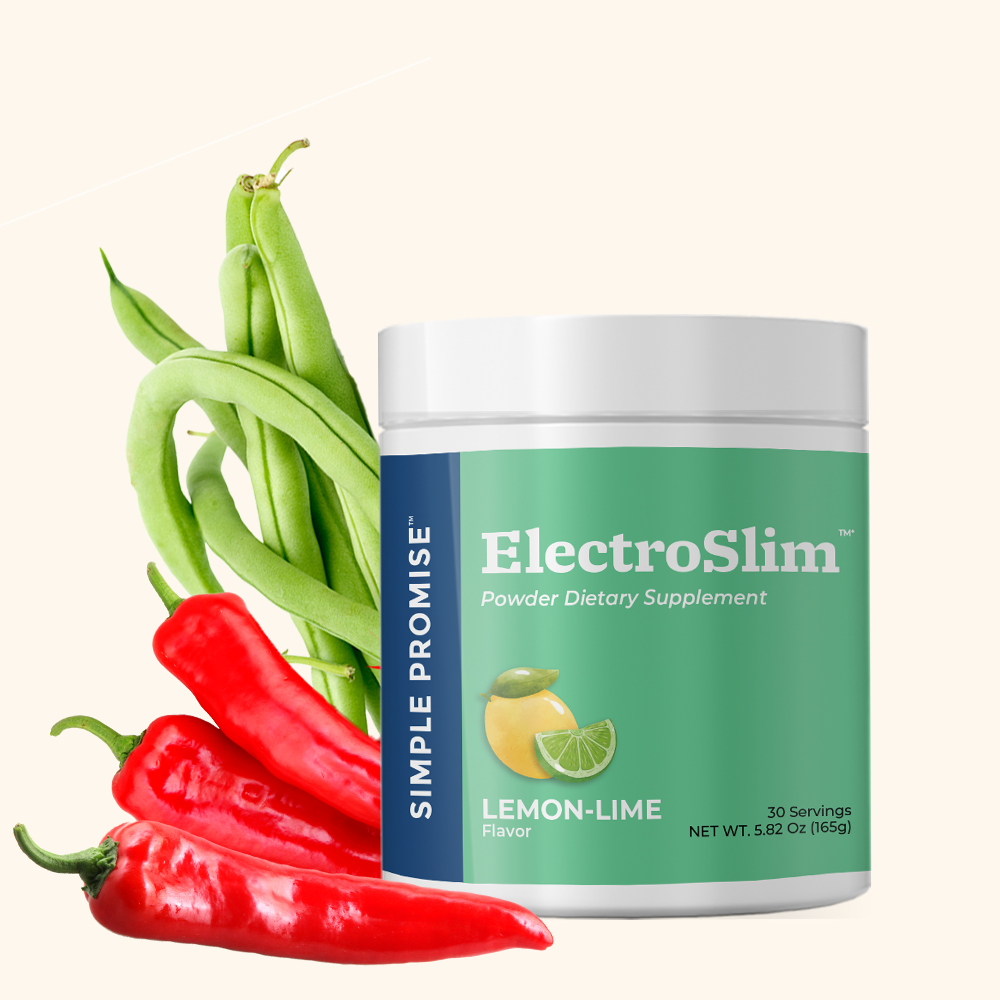
Slim Supplements And Healthy Eating: How To Unite For Best Results

When it comes to weight loss, you're likely no stranger to the world of slim supplements. But are you using them effectively, or just adding them to a diet that's holding you back? The truth is, combining the right supplements with a balanced diet can make all the difference in achieving your goals. But what does that look like in practice? By making a few strategic changes to your eating habits and supplement routine, you can unlock faster and more sustainable weight loss. So, what are the key combinations to focus on, and where do you even start?

Choosing the Right Supplements

When considering supplements to support your weight loss goals, it's essential to choose the right ones. Look for products that are backed by scientific evidence and have been proven to be safe and effective.

Be wary of supplements that make unrealistic promises or claim to be miracle solutions.

It's also crucial to consider your individual needs and health status when selecting supplements.

For example, if you have a medical condition or take prescription medications, certain supplements may interact with them or exacerbate your condition. Consult with your healthcare provider before adding any new supplements to your regimen.

Some popular weight loss supplements that have shown promise include green tea extract, conjugated linoleic acid (CLA), and glucomannan.

These supplements can help boost your metabolism, suppress appetite, and support weight loss. However, it's essential to remember that supplements should complement your weight loss efforts, not replace them.

Always combine supplements with a healthy diet and regular exercise for optimal results.

Creating a Balanced Diet

To create a balanced diet that supports your weight loss goals, focus on whole, unprocessed foods like vegetables, fruits, whole grains, lean proteins, and healthy fats. These foods provide essential nutrients, fiber, and satiety that'll keep you full and satisfied between meals.

Aim to include a variety of colors on your plate to ensure you're getting a range of vitamins and minerals.

When planning your meals, think about the proportions of different food groups. Aim for half your plate to be vegetables and fruits, a quarter to be lean proteins, and a quarter to be whole grains electroslimreviews.

Healthy fats like nuts, seeds, and avocado can be added in moderation. Limit your intake of processed and packaged foods, which are often high in unhealthy ingredients like added sugars, salt, and saturated fats.

Foods to Eat for Weight Loss

Foods to Eat for Weight Loss

Several key foods can help support your weight loss journey. Focus on whole, unprocessed foods, including vegetables like broccoli, spinach, and bell peppers.

These vegetables are low in calories, rich in fiber, and high in nutrients, making them a great addition to your meals. Incorporate lean protein sources like chicken, fish, and tofu, which help keep you full and satisfied.

Legumes, such as lentils and chickpeas, are also rich in protein and fiber, making them an excellent choice.

In addition to these protein-rich foods, whole grains like brown rice, quinoa, and whole wheat bread provide sustained energy and fiber.

Healthy fats, including avocado, nuts, and seeds, support heart health and satiety. Fresh fruits like berries, citrus fruits, and apples are also essential for a weight loss diet.

These foods not only provide essential nutrients but also help you feel full and satisfied, reducing the likelihood of overeating. By incorporating these foods into your diet, you'll be well on your way to achieving your weight loss goals.

Combining Supplements With Meals

Many effective weight loss strategies involve combining supplements with meals to boost their potential.

When you combine supplements with meals, you can maximize their benefits and improve overall weight loss results. For example, taking a fat-burning supplement with a meal that's high in protein and healthy fats can enhance its thermogenic effects.

When deciding which meals to combine with supplements, consider the type of supplement and its intended effects.

If you're taking a fiber supplement, for instance, it's best to take it with a meal that's high in fiber-rich foods. This can help the supplement work more effectively and reduce the risk of side effects like bloating or gas.

Additionally, you should also consider the timing of your meals and supplements.

Taking a weight loss supplement with breakfast, for example, can help jumpstart your metabolism and provide energy throughout the morning.

Be sure to follow the instructions provided with your supplement and consult with a healthcare professional if you have any questions or concerns.

Maintaining Long Term Success

Having achieved your weight loss goals, maintaining long-term success is crucial. It's not just about reaching your ideal weight, but about adopting a sustainable lifestyle that you can stick to in the long run.

To do this, you need to focus on making healthy choices a habit. Start by setting realistic goals for yourself. Instead of trying to maintain your exact weight loss weight, aim for a healthy weight range. This will give you some flexibility and make it easier to stay on track.

You also need to continue monitoring your progress, whether it's through regular weigh-ins or tracking your food intake.

Another key aspect of maintaining long-term success is staying accountable. Find a support system, whether it's a friend, family member, or online community, that will help you stay motivated and on track.

Additionally, be kind to yourself and don't get discouraged by minor setbacks. Remember that it's okay to indulge occasionally and that getting back on track is just a meal away.

Conclusion

You've learned how to combine slim supplements with healthy eating for optimal weight loss results. Now, it's time to put this knowledge into action. By choosing the right supplements, creating a balanced diet, and timing your supplement intake, you'll be on your way to achieving your weight loss goals. Stay accountable, and with a support system in place, you'll maintain long-term success and a healthier you. Remember to consult a healthcare professional before starting any new supplements.

Read More

The Intersection of Bankruptcy Law and Consumer Rights

You're likely no stranger to the concept of bankruptcy, but do you fully understand the protections it offers to consumers? When you file for bankruptcy, an automatic stay is triggered, temporarily halting creditor harassment and foreclosure proceedings. But what does this mean for your assets, and how can you ensure they're safeguarded throughout the process? As you navigate the complex world of bankruptcy law, it's essential to grasp the relationship between these laws and your consumer rights. What specific safeguards are in place, and how can they be effectively leveraged to your advantage? bankruptcy attorney texas.

Understanding Automatic Stays

When you file for bankruptcy, one of the immediate benefits you'll experience is the automatic stay, a court order that temporarily stops most collection activities against you. This means that creditors, collection agencies, and even government entities will have to put their collection efforts on hold, giving you some breathing room to focus on your financial recovery.

The automatic stay can be a powerful tool for halting foreclosure proceedings, wage garnishments, and other debt collection tactics that can be damaging to your credit and financial well-being.

However, it's essential to understand that the automatic stay isn't a permanent solution and typically lasts only as long as your bankruptcy case is active.

During this time, creditors can't initiate or continue lawsuits, repossess property, or send you threatening letters or phone calls.

If a creditor violates the automatic stay, you can file a motion with the bankruptcy court to enforce the stay and potentially recover damages.

Creditor Harassment and Abuse

You may have already experienced creditor harassment and abuse firsthand, with relentless phone calls, threatening letters, or intimidating visits to your home or workplace.

These tactics can be emotionally draining and stressful, making an already difficult financial situation even more unbearable. Creditor harassment and abuse are serious issues that can have a significant impact on your well-being and financial stability.

Under bankruptcy law, you have the right to protection from creditor harassment and abuse. The automatic stay, which we discussed earlier, prohibits creditors from contacting you or taking any collection actions while your bankruptcy case is pending.

If a creditor continues to harass you after you've filed for bankruptcy, you can file a complaint with the court and seek damages.

It's essential to keep a record of any creditor harassment or abuse, including dates, times, and details of the incidents.

This documentation can be used as evidence in court to prove that the creditor has violated the automatic stay or engaged in abusive practices.

Distribution of Assets Explained

The distribution of assets is a critical component of the bankruptcy process, and it's essential to understand how it works.

As you navigate bankruptcy, you'll need to know what happens to your assets and how they'll be distributed among your creditors.

In a Chapter 7 bankruptcy, a trustee will be appointed to oversee the distribution of your assets. They'll gather and sell your non-exempt assets, such as investments, real estate, or other valuable items, to pay off your creditors.

The distribution of assets follows a specific order, with priority claims being paid first.

These include taxes, wages owed to employees, and other essential expenses.

Next, secured creditors, such as mortgage lenders or car loan providers, will be paid from the proceeds of the sale of the collateralized assets.

Finally, unsecured creditors, such as credit card companies or medical providers, will receive a portion of the remaining funds.

Understanding how the distribution of assets works can help you make informed decisions about your bankruptcy case.

Bankruptcy Exemptions for Consumers

Bankruptcy exemptions play a vital role in protecting your assets from creditors. When you file for bankruptcy, you're allowed to keep certain assets, known as exemptions, which are essential for your well-being and daily life. These exemptions vary by state, but common examples include your primary residence, vehicle, and personal belongings like clothing and furniture.

In Chapter 7 bankruptcy, exemptions determine which assets are protected from liquidation. If an asset is exempt, you get to keep it, and the trustee can't sell it to pay off your creditors.

In Chapter 13 bankruptcy, exemptions affect how much you'll have to pay your creditors through your repayment plan. The more assets you can exempt, the less you'll have to pay.

It's essential to work with a bankruptcy attorney who's familiar with your state's exemptions to ensure you're taking advantage of all the exemptions available to you. They can help you navigate the complex process and make informed decisions about which assets to exempt.

Protecting Consumer Rights Proceedings

Protecting Consumer Rights Proceedings

Filing for bankruptcy can be a complex and intimidating process, but it's essential to remember that consumers have rights that must be protected throughout the proceedings.

You have the right to be notified of all major events in your bankruptcy case, including the sale of assets or the rejection of your discharge. You also have the right to object to any motions filed by your creditors or trustee, and to participate in all hearings and meetings.

If you believe your rights are being violated, you can file a complaint with the bankruptcy court or seek the assistance of a consumer protection agency.

You may also want to consider hiring an attorney who specializes in consumer bankruptcy law to help you navigate the process and protect your rights. Additionally, you can request a hearing to address any concerns or objections you may have about the bankruptcy proceedings.

Conclusion

You've made it through the complex world of bankruptcy law and consumer rights. Understanding the automatic stay, creditor harassment laws, and bankruptcy exemptions can be a game-changer. By knowing your rights, you can protect your assets and confidently navigate the bankruptcy process. Remember, it's essential to be aware of your protections and ensure they're upheld throughout proceedings, securing a smoother journey to financial recovery. You're now better equipped to take control of your financial future.

Read More

Voice-Over Translation for E-Learning: Engaging Global Audiences

You're likely no stranger to the challenges of creating e-learning content that resonates with diverse audiences worldwide. As you expand your reach into new markets, you'll face the daunting task of making your courses accessible and effective for learners who speak different languages. One key strategy to tackle this challenge is voice-over translation. But what makes it so effective, and how can you implement it successfully? The answer lies in understanding the benefits, best practices, and potential hurdles of voice-over translation – and that's exactly where you're about to start. english to spanish translation.

Benefits of Voice-Over Translation

When it comes to e-learning, you're likely to reach a wider audience, but you'll also face the challenge of language barriers. To overcome this, voice-over translation can be a game-changer. By incorporating voice-overs in multiple languages, you'll make your e-learning content more accessible and engaging for learners worldwide.

Voice-over translation helps you reach new markets and expand your customer base.

You'll also see improved learning outcomes, as learners can focus on the content without struggling to understand the language. Moreover, it enhances the overall learning experience by providing a more immersive and interactive environment.

Voice-overs can also help you to convey complex information more effectively, making it easier for learners to retain and apply the knowledge.

In addition, voice-over translation can give you a competitive edge in the e-learning market.

By catering to diverse linguistic needs, you'll differentiate your content from others and establish your brand as a leader in the industry.

With the right translation and voice-over strategy, you can create a more inclusive and effective e-learning experience that resonates with learners globally.

Choosing the Right Voice Talent

By selecting the right voice talent, you'll bring your e-learning content to life and engage learners on a deeper level.

To find the perfect voice, consider the tone and style of your content. If you're creating a corporate training program, a professional and serious voice may be suitable. For a more creative or storytelling-focused project, a warmer and more expressive voice could be a better fit.

You should also consider the language and regional requirements of your target audience. Choose a voice talent who's native to the region or has a strong understanding of the local dialect.

This will ensure that the voice-over is authentic and resonates with learners.

When searching for voice talent, look for individuals with experience in e-learning and voice-over work.

Review their portfolios, listen to demos, and read reviews from previous clients.

You can also conduct auditions to find the best fit for your project.

Best Practices for Translation

As you move forward with translating your e-learning content, it's crucial to establish a clear and effective translation process. This involves working with a skilled translator who understands the nuances of your content and the target audience.

When selecting a translator, look for someone with expertise in e-learning translation and experience working with voice-over content.

Clearly define the project scope, timeline, and budget to ensure everyone involved is on the same page.

Provide the translator with any relevant style guides, glossaries, or reference materials to ensure consistency in the translation.

Establish a quality assurance process to review and revise the translation for accuracy and cultural relevance.

Ensure that the translation is reviewed by a native speaker to catch any errors or cultural insensitivities.

Use a translation memory tool to streamline the process and reduce costs. This tool can store previously translated content and suggest translations for similar phrases.

Overcoming Cultural and Technical Hurdles

Translating e-learning content for a global audience can be a complex task, fraught with cultural and technical hurdles that must be overcome. You'll need to consider the nuances of different languages and cultures to ensure your message is conveyed accurately.

This includes adapting your content to accommodate varying levels of formality, humor, and idioms that may not translate well.

From a technical standpoint, you'll need to ensure that your voice-over translation integrates seamlessly with your e-learning platform. This may require working with different file formats, such as MP3 or WAV, and ensuring that your audio files are compatible with various devices and browsers.

You'll also need to consider the synchronization of audio and video elements, as well as the timing of subtitles and other visual aids.

To overcome these hurdles, it's essential to work with experienced translators and technical experts who understand the complexities of voice-over translation for e-learning. By doing so, you'll be able to create a seamless and engaging learning experience that resonates with your global audience.

Measuring Success and ROI

When you've invested time and resources into creating a multilingual e-learning experience, you're likely eager to gauge its effectiveness and determine whether it's yielding a strong return on investment.

To measure success and ROI, you'll need to establish clear goals and key performance indicators (KPIs) from the outset. These may include metrics such as learner engagement, completion rates, and assessment scores.

You can use analytics tools to track user behavior and monitor progress.

This data will help you identify areas for improvement and make data-driven decisions about future content development.

Additionally, consider conducting surveys or focus groups to gather feedback from learners and gain a deeper understanding of their needs and preferences.

Conclusion

By incorporating voice-over translation into your e-learning content, you'll be well on your way to engaging global audiences and establishing a competitive edge in the market. You'll have successfully navigated the benefits, voice talent selection, translation best practices, and cultural and technical hurdles. Now, focus on measuring success and ROI to continually refine your strategy and maximize your reach. This thoughtful approach will pay off in expanded customer bases and improved learning outcomes.

Read More

The Best Award Windows for Energy-Efficient Homes

As you consider upgrading to energy-efficient windows, you're likely wondering what sets the best ones apart from the rest. Award-winning windows often boast innovative features and materials that minimize air leaks and thermal transfer, resulting in significant energy savings. But what specific styles, certifications, and technologies should you look for? ENERGY STAR certification is a good starting point, but there's more to explore. From the types of glass and frame materials used to the clever design features that make a difference, it's essential to understand your options to make an informed decision and create a more sustainable home. Window and door installation services.

Top Energy-Efficient Window Styles

In the pursuit of energy efficiency, you're likely looking for window styles that can help minimize heat transfer and reduce your energy bills. Double-hung windows are an excellent choice, as they allow for better airflow and can be paired with a low-E coating to reduce heat transfer.

Another popular option is casement windows, which provide a tighter seal than traditional double-hung windows and can be more energy-efficient.

Sliding windows are also a great choice, especially in areas with high winds, as they can withstand harsh weather conditions. Additionally, picture windows can be an excellent option for energy-efficient homes, as they provide a fixed, non-operable design that minimizes air leaks.

When choosing an energy-efficient window style, consider factors such as frame material, glass type, and glazing. Vinyl or fiberglass frames are often more energy-efficient than traditional wood frames, while low-E glass can help reduce heat transfer. By selecting the right window style and features, you can reduce your energy bills and create a more comfortable living space.

Certifications to Look for

You've chosen the perfect energy-efficient window style for your home. Now, it's essential to look for certifications that ensure your windows meet energy efficiency standards.

The U.S. Environmental Protection Agency's ENERGY STAR certification is a great place to start. ENERGY STAR certified windows have met specific energy efficiency requirements, helping you save energy and money.

Another certification to consider is the National Fenestration Rating Council (NFRC) label.

The NFRC label provides detailed information about a window's energy performance, including its U-factor, Solar Heat Gain Coefficient (SHGC), and Visible Transmittance (VT).

You can use this information to compare different window models and make an informed decision.

Additionally, look for windows with the American National Standards Institute (ANSI) certification.

ANSI certified windows have met specific standards for performance, durability, and safety.

Eco-Friendly Window Materials

Your eco-friendly window options go beyond energy-efficient styles and certifications. When it comes to choosing the right materials, you have several options that can contribute to a more sustainable home.

Vinyl windows, for instance, are made from a recyclable material called polyvinyl chloride (PVC). They're durable, low-maintenance, and can be recycled at the end of their life cycle.

Another option is fiberglass windows, which are made from a combination of glass fibers and a polymer matrix. They're strong, energy-efficient, and can be recycled as well.

Aluminum windows are another eco-friendly option, as they're made from recyclable materials and can be reused or recycled at the end of their life cycle.

Wood windows, on the other hand, can be made from sustainably sourced materials, such as reclaimed or FSC-certified wood. These options not only reduce waste but also minimize the environmental impact of your windows.

Smart Glass Technologies

Most homes with traditional windows can't adapt to changing light conditions, which can lead to energy losses and increased energy consumption. However, you can upgrade to smart glass technologies that adjust to shifting light conditions, reducing energy losses and consumption.

One type of smart glass technology is electrochromic glass, which changes its tint in response to an electric current. This technology can be controlled manually or automatically to optimize energy efficiency.

Another type of smart glass technology is photochromic glass, which changes its tint in response to changes in light. This technology is often used in self-tinting windows that darken in bright sunlight and lighten in low light conditions.

You can also opt for thermochromic glass, which changes its tint in response to changes in temperature. This technology is often used in windows that need to adapt to extreme temperature fluctuations.

Innovative Frame Designs

The innovative frame designs of modern windows play a crucial role in maximizing energy efficiency. When you're looking for award windows, you'll notice that manufacturers are focusing on frames that minimize thermal transfer and air leakage.

This is achieved through the use of advanced materials and clever design features. Fiberglass, aluminum, and vinyl frames are popular choices, as they offer excellent insulation and durability.

You'll also notice that many modern window frames have a narrower profile, which reduces the amount of material needed and minimizes the impact on your home's aesthetic.

Some frames even feature a hybrid design, combining different materials to achieve optimal performance. For example, a frame might've a vinyl exterior and a fiberglass interior.

This approach allows manufacturers to balance cost, durability, and energy efficiency.

When selecting award windows, consider the frame design and how it contributes to the overall energy efficiency of the window.

Look for features like multi-chamber frames, foam insulation, and advanced weatherstripping.

These innovations can make a significant difference in your home's energy consumption and comfort.

Conclusion

You've seen the top energy-efficient window styles, certifications, and eco-friendly materials that make award-winning windows. By choosing the right combination of low-E coatings, gas fills, and advanced frame materials, you can significantly reduce energy losses and consumption. With smart glass technologies and innovative frame designs, you can create a more sustainable home. Now it's time to upgrade to award-winning windows and start enjoying the benefits of a more energy-efficient home.

Read More